
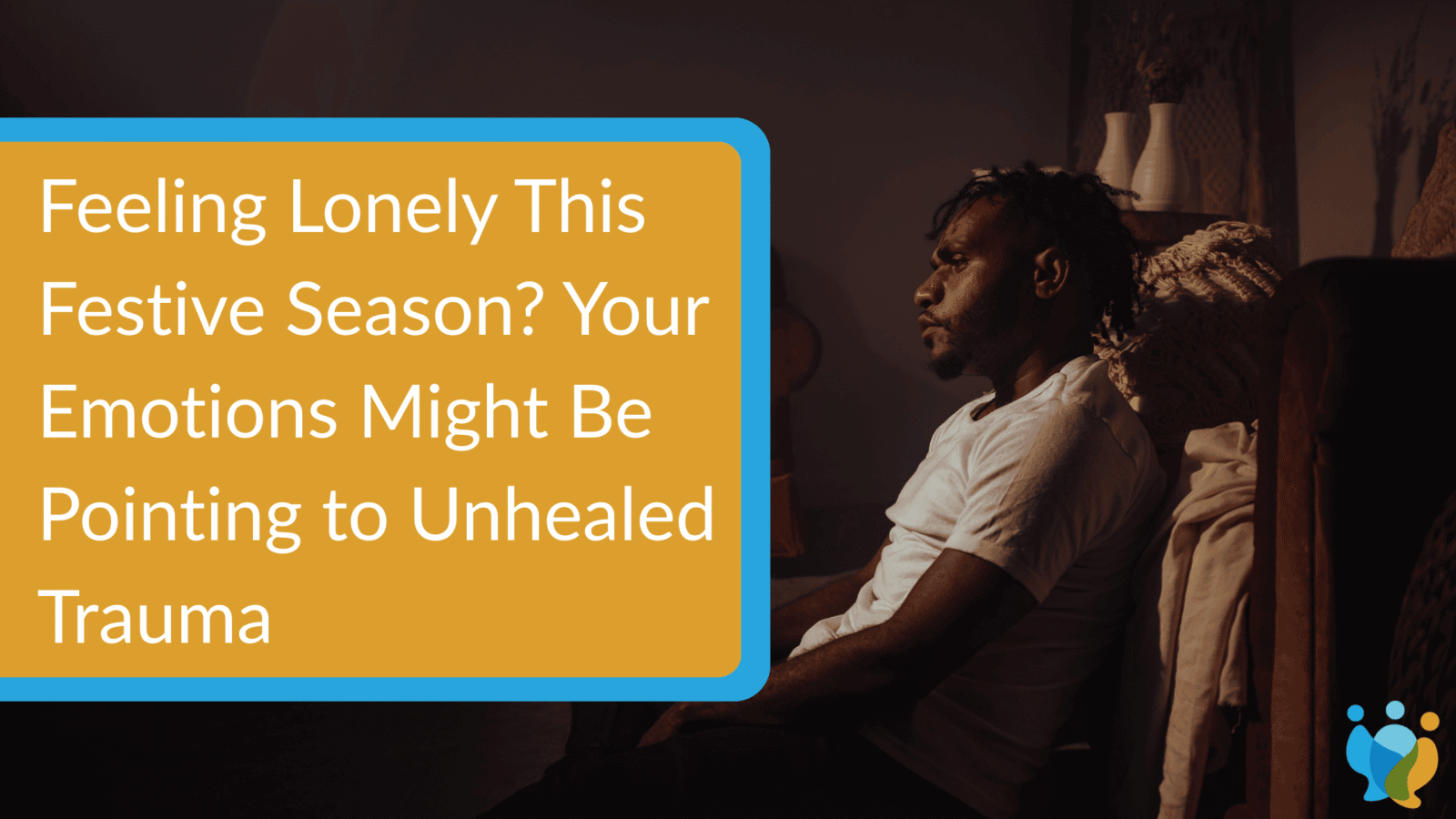
December slows the world down, but it rarely slows the mind.
In Kenya, the streets hum with festive energy: chapatis fry on jikos, children chase each other across the compound, elders catch up on family stories, and WhatsApp notifications ping with plans and greetings.
Yet amid the noise, many feel an unexpected quietness inside.
A hollow, almost invisible loneliness.
A 2024 survey revealed that nearly 46% of young adults in Kenya reported feeling lonely during the festive season, even while surrounded by family and community.
That loneliness is often invisible to outsiders, quietly seeping into moments where laughter and celebration prevail. It is not about being alone. It is about being unseen, unheard, or emotionally unconnected, even in crowded rooms, bustling homes, or lively family gatherings.
If you’ve felt it – that heaviness while the world around you celebrates, that subtle distance despite the chaos, that sense of emotional invisibility – you are not failing or weak.
Loneliness in December can be a messenger, pointing to unprocessed experiences, unmet emotional needs, or grief that has been quietly carried throughout the year.
This article will help you understand what your festive-season loneliness might be telling you, why it surfaces so strongly now, and how to respond to it in culturally grounded, practical, and emotionally nourishing ways.
When Loneliness Isn’t About Being Alone
Loneliness is often misunderstood. Many assume it requires an empty room or a quiet evening. In reality, it can exist anywhere, including:
- In a matatu full of people
- A busy household
- A church service filled with singing and conversation
True loneliness is not a matter of numbers; it is the absence of emotional nourishment and meaningful connection.
In Kenya, the festive season amplifies this invisible isolation.
Family expectations, cultural norms, and social pressures can leave you feeling that you must perform, smile, serve, entertain, and accommodate, even when your heart is not fully present.
You may sit at a crowded dinner table, watching the conversations and laughter flow around you, and still feel emotionally unanchored. The dissonance arises from the gap between what is happening externally and what your inner world is experiencing.
Connection requires three subtle but essential ingredients:
- Emotional safety is the freedom to be yourself without judgment.
- Honest presence, people who truly listen and respond to your feelings.
- Being seen without performing, the ability to exist without having to project joy or competence.
The absence of these creates a distinctive kind of loneliness, one that whispers, “No one here truly knows what I carry… and even if they asked, I might not know how to explain it.”
Recognizing this is the first step toward understanding that your emotions are not failing you; they are guiding you toward deeper awareness.

Why December Amplifies Emotional Gaps
The slower pace of December, with fewer deadlines, quieter offices, and longer evenings, creates space for feelings that have been kept in the background throughout the year. These quieter moments often expose emotional gaps, unprocessed grief, and old wounds.
1. Emotional comparison intensifies
Seeing relatives, friends, or social media posts that depict polished versions of happiness can magnify feelings of inadequacy.
“Why does their December look perfect while mine feels heavy?” becomes a common internal dialogue. Social comparison often sharpens loneliness rather than alleviating it.
2. Quiet moments act as mirrors
With routines paused and distractions reduced, there is space to notice the unresolved experiences we’ve carried silently, the arguments left unspoken, the opportunities missed, or the dreams that never materialized. In this silence, your internal landscape becomes visible, sometimes painfully so.
3. Old family roles and childhood wounds resurface
Returning home, attending traditions, or interacting with relatives can resurrect the roles you once held: the peacemaker, the responsible one, the quiet observer, or the child who felt unseen.
These roles can unconsciously shape how you feel now, often deepening the sense of loneliness.
In effect, December acts like a magnifying glass, intensifying both visible and invisible emotions.
Loneliness at this time is rarely accidental; it is a signal pointing toward unprocessed experiences, unresolved grief, or emotional patterns that require attention.
The Truth: Loneliness as Emotional Congestion
It is tempting to believe that loneliness means something is “wrong”, that you are failing socially, emotionally, or spiritually.
Yet in many cases, loneliness is a form of emotional congestion: the accumulation of unprocessed experiences, unmet needs, and emotional stress that has built up over time.
Think of it as Nairobi traffic on a Friday evening: each car represents a feeling, experience, or unresolved tension. If there is no space to move, the cars, like emotions, pile up, honking and pressing against one another until the system feels congested.
Similarly, unresolved conflict, unacknowledged grief, burnout, and transitions can all manifest as hollow, persistent loneliness.
The counterintuitive insight is that this emotional congestion does not respond to activity, forced socialization, or distraction.
It responds to honesty, reflection, and gentle awareness. Loneliness, when approached with curiosity, becomes a guide rather than a burden.
Listening to Loneliness: Gentle Self-Exploration
When you treat loneliness as a messenger rather than a problem, it can illuminate hidden emotional needs. Consider these steps:
1. Slow down enough to notice
Notice the sensation of loneliness in your body. Does it sit heavy in your chest, a tightness in your stomach, or a restless energy in your limbs? Observe when it intensifies and note the situations that trigger it. Patterns often point toward deeper roots.
2. Ask a different question
Instead of asking, “Why am I lonely?” try, “What is this loneliness trying to reveal?” The feeling may reflect emotional exhaustion from months of holding responsibilities, suppressing grief, or navigating life changes.
3. Trace its first appearance
Consider when it first arose this season.
- Was it a comment from a relative?
- A social media post?
- A quiet moment alone?
These breadcrumbs guide you to the source.
4. Imagine loneliness as a visitor
Personifying it helps uncover its message:
- “You’ve been carrying too much alone.”
- “You’ve avoided a conversation that needs closure.”
- “There is grief you haven’t acknowledged.”
Through this exercise, loneliness becomes a gentle guide rather than a source of shame.

Signs That Your Loneliness Reflects Deeper Needs
Some indicators that your festive-season loneliness is pointing to unprocessed emotions rather than temporary sadness include:
- Feeling disconnected even around people you usually enjoy.
- Small triggers feel disproportionately heavy.
- Physical signs include fatigue, headaches, irritability, and restlessness.
- Feeling emotionally “full” but unseen.
- Dreading January because it signals returning to life unhealed.
Recognizing these signs is not about labeling yourself but noticing that your emotions are communicating a deeper story that deserves attention.
Practical Tools to Navigate Festive Loneliness in Kenya
Processing loneliness doesn’t mean fixing yourself overnight. It begins with small, culturally relevant steps:
1. Permit yourself to name the truth
Say, “I feel lonely.” Naming it doesn’t make you weak; it makes you honest. Recognition is the first step toward relief.
2. Share with one trusted person
You don’t need to speak to everyone. One safe conversation, a friend, a sibling, or a counselor, can release weeks of emotional tension.
3. Ground yourself in sensory rituals
Slow down through practices that soothe your nervous system:
- Evening walks in Karura, Arboretum, or a quiet shamba path
- Lighting a candle and listening to music without distractions
- Journaling thoughts and emotions without judgment
4. Limit emotional comparison
Social media and curated family snapshots do not reflect the whole truth. Remind yourself that comparison magnifies emotional gaps rather than healing them.
5. Allow yourself to grieve unmet expectations
Grief is not limited to the loss of life. It can be for unfulfilled dreams, shifted relationships, or versions of yourself that didn’t come to fruition.
6. Consider therapy
Therapy is not for the broken. It is a safe space to explore emotions, identify patterns, and receive guidance, especially if festive loneliness is a recurring issue.
Knowing When to Seek Professional Support
Therapy is beneficial if:
- Loneliness persists or feels overwhelming
- Old wounds resurface during family gatherings
- You withdraw emotionally around relatives
- The approach of the new year triggers anxiety or dread
Clarity Counseling Kenya provides confidential, culturally sensitive spaces where you can explore these emotions without judgment, performative expectations, or pressure. Sometimes, knowing you can speak freely is the first step toward emotional relief.
If you feel loneliness this festive season, it is not your enemy. It is a messenger pointing toward deeper needs and guiding you toward self-understanding and emotional care.
You deserve to step into 2026 feeling lighter, clearer, and more rooted in your own life.
Therapy can walk with you slowly, gently, and at your pace, helping you explore your story and reclaim emotional balance.
Your loneliness is not a failure.
It is a guide, inviting you to be seen, heard, and supported, toward a life where you no longer carry emotional burdens alone.