
You can usually feel it before you can explain it.
A meeting that looks fine on paper but feels tight in the room.
An email that isn’t rude —exactly— yet leaves a strange knot in your stomach.
A workday where nothing goes wrong, yet you drive home drained, replaying conversations in your head.
If you’ve ever felt capable but quietly capped… productive yet perpetually tired… you’re not imagining things.
What’s happening is emotional —not technical— and that’s where emotional intelligence at work becomes a core skill, not a nice-to-have.
Most professionals don’t struggle because they lack skill, intelligence, or ambition. They struggle because modern work asks more of our inner lives than we were ever taught how to manage.
Not as a buzzword.
Not as a “soft skill.”
Not as emotional fluff.
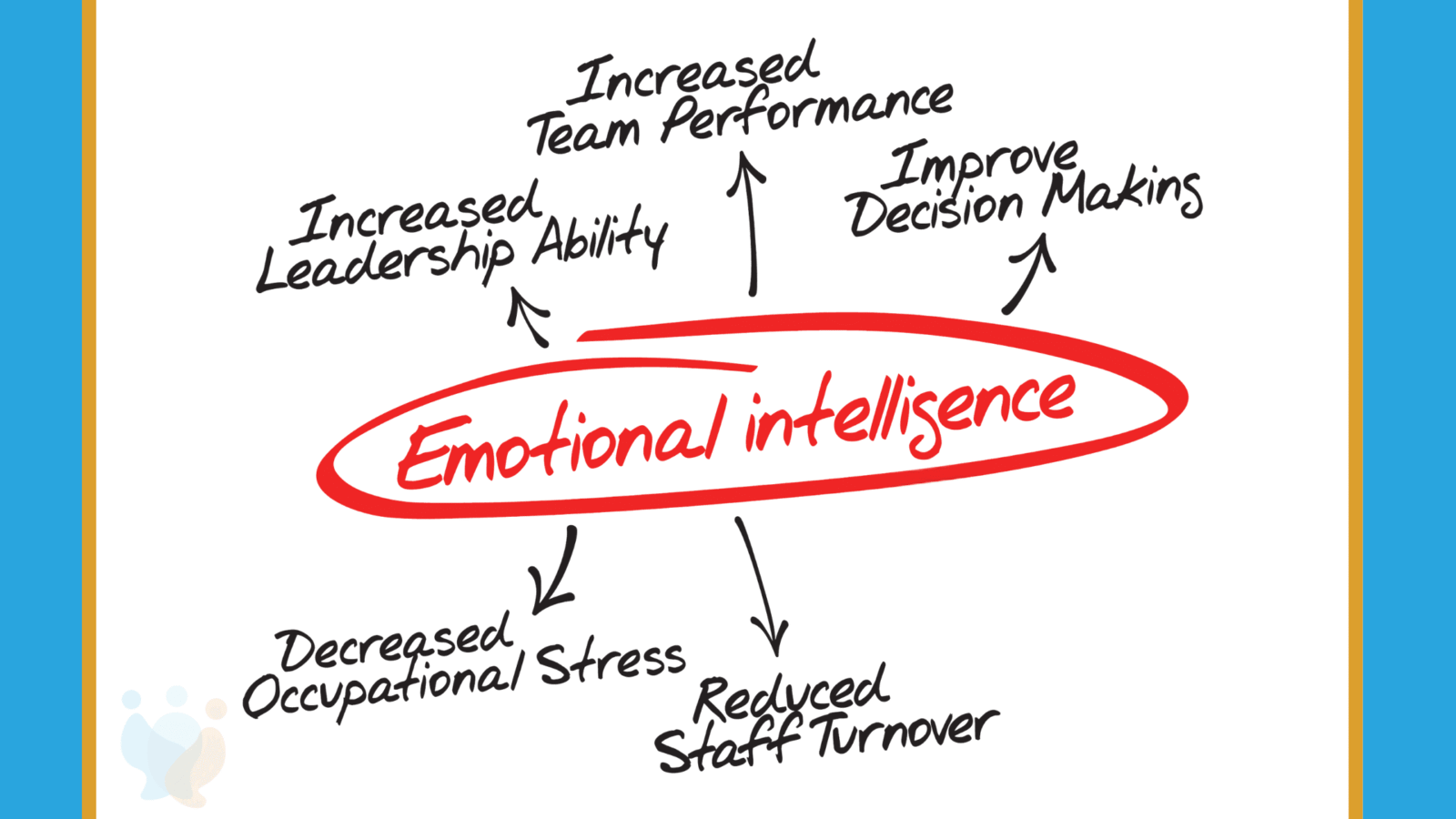
Emotional intelligence (especially in the workplace) is a core professional skill. It determines how people experience you, whether you’re leading, collaborating, or supporting from within a team.
The quiet truth is, long after people forget what you said in meetings or what was written in reports, they’ll remember how it felt to work with you.
Why Emotional Intelligence Matters More Than Ever at Work
Before we define Emotional Intelligence, let’s ask a simpler, more honest question: why does this matter so much in everyday work?
Not far down the road.
Not in theory.
Right here. Right now. Here are five reasons emotional intelligence at work isn’t optional but foundational.
1. Because Work Is More Emotional Than It Admits
Many workplaces still act as though emotions can be left at the door. But emotions don’t stay quiet. They leak into:
- Tone
- Decision-making
- Communication
- Trust
In Kenya today, workforce engagement is a real indicator of emotional climate: according to a 2024 Gallup survey, only about 20% of Kenyan workers feel genuinely engaged, while 80% are emotionally disconnected or disengaged at work.
That doesn’t mean people don’t care. It often means workplaces aren’t supporting emotional experience, and that’s exactly where emotional intelligence skills make a difference.
When emotions stay buried, they don’t disappear; they show up as:
- tension
- misunderstandings
- low motivation
- simmering conflict
Emotional intelligence at work helps you notice what’s happening beneath the surface before it shapes outcomes you didn’t intend.

2. Because People Decide How They Feel Before They Judge Your Competence
You’ve probably seen this:
The technically strong person whose ideas never quite land.
The smart professional who gets passed over for leadership roles.
Why? Because trust is emotional before it’s contractual.
People decide whether they trust you long before you sign a deal or deliver a report. They’re watching:
- How you listen
- How you stay steady under pressure
- Whether you respond with clarity or defensiveness
Globally, research shows that high emotional intelligence boosts communication and collaboration significantly. One study even suggests teams with high EQ may see about 25% higher productivity and efficiency, along with stronger engagement and satisfaction levels.
That’s not soft. That’s productivity amplified by emotional intelligence skills.
3. Because Conflict Today Is Often Quiet, Not Explosive
Workplace conflict doesn’t always erupt. More often, it looks like:
- Avoided conversations
- Passive resistance
- Withdrawal
- Tension that hangs like heavy air
You might notice yourself replaying old conversations, wondering what you should have said, or waking up with a dull ache in your chest because something felt “off.”
That’s quiet emotional labour. But emotional intelligence helps you notice when:
- Discomfort is building
- Silence is actually resistance
- Tension needs naming, not burying
Without EQ, conflict goes underground, but with it, you can address issues early calmly, clearly, and without unnecessary escalation.
4. Because Burnout Is Increasing — Even Among Capable Professionals
Burnout isn’t a dramatic outbreak. It’s a slow erosion.
Globally, mental health issues at work cost economies billions. In Kenya alone, mental health conditions are estimated to cost about Sh62.2 billion annually in lost productivity, absenteeism, and disengagement.
Not because people don’t want to work. But because emotional labour, unspoken, unnoticed, unnamed, is draining.
Emotional intelligence gives language to what’s happening inside you before exhaustion becomes your default posture.
It helps you spot:
- Early signs of strain
- Emotional fatigue
- Stress patterns that lead to burnout
Before “just work” becomes something you endure rather than engage with.
5. Because Leadership and Career Growth Now Depend on Emotional Skill, Not Just Expertise
Many of us learned that promotions follow competence.
That’s only part of the story.
In today’s workplace, leadership influence is as emotional as it is technical.
Whether or not you have a formal title, people read emotional cues all the time. For example, they look for who:
- Stays calm under stress
- Listens without rushing the other person
- Shows up grounded even when there’s uncertainty
Microsoft’s CEO recently said that in an age of AI and automation, empathy and emotional intelligence are not optional; they’re essential.
Emotional intelligence shapes:
- Workplace trust
- Psychological safety
- Team morale
- Career progress
It’s not charisma but felt presence.
So What Is Emotional Intelligence, Really?
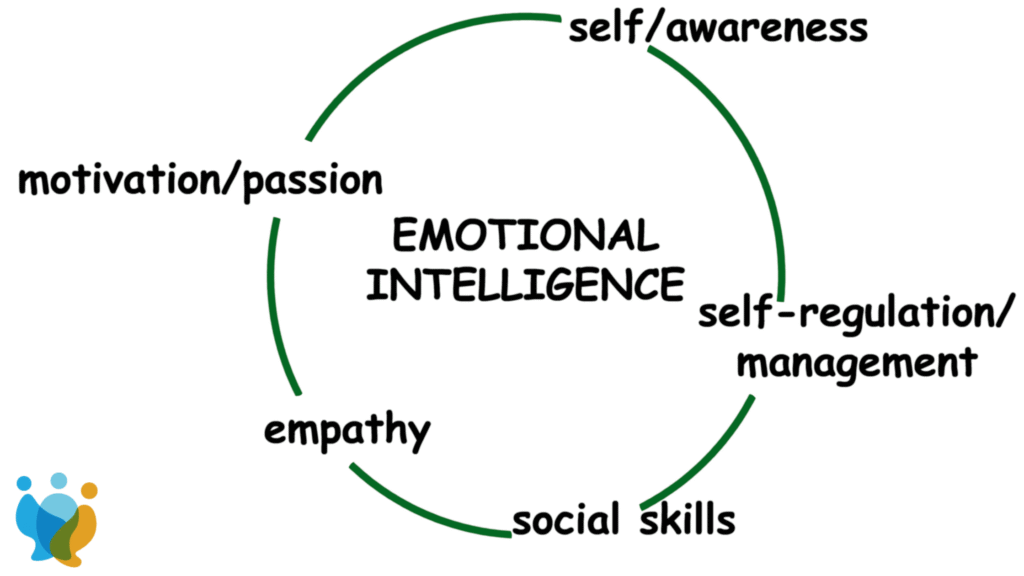
At its simplest, emotional intelligence (or EQ) is the ability to notice emotions, your own and other people’s, and respond wisely rather than reactively.
Not perfectly.
Not unemotionally.
Just wisely.
Think of it as:
- Self-awareness — noticing your internal state
- Self-regulation — choosing your response rather than defaulting
- Motivation — staying anchored in purpose
- Empathy — understanding another person’s emotional world
- Social skills — moving well with others
These aren’t abstract traits. They’re workplace behaviours that shape whether you:
- Communicate clearly
- Resolve tension
- Handle feedback
- Lead with steadiness
Emotional intelligence doesn’t replace competence.Instead, EQ amplifies it.
Emotional Intelligence in the Kenyan Professional Context
In many Kenyan workplaces, emotions are complicated.
Silence may be mistaken for respect.
Authority sometimes discourages honest feedback.
Stress and disengagement are often treated as personality quirks rather than workplace realities.
But the data tells a story: When emotional engagement is low, productivity suffers and so does well-being.
Emotional intelligence doesn’t reject culture. It works within it, helping you lead firmly and humanely, communicate clearly, and perform well without burning out quietly.
From Awareness to Skill: Why Training Matters
Sensing the need for emotional intelligence is one thing. But developing it is another. Emotional intelligence deepens most effectively through:
- Structured reflection
- Guided practice
- Ethical frameworks
- Real-world application
That’s where structured learning like the Certificate in Counselling Psychology at Clarity Counseling & Training Centre becomes transformative.
Not to make you a therapist overnight, but to help you understand people, including yourself, with depth, nuance, and grounded skill. For many professionals, this kind of training becomes a quiet turning point:
- Work begins to feel less reactive
- Communication becomes steadier
- Leadership becomes quieter and stronger
You don’t rush growth like this. But you don’t have to stay where you are, either.

Frequently Asked Questions About Emotional Intelligence Training
Is emotional intelligence a skill or a personality trait?
Emotional intelligence is a learnable skill set. While temperament influences initial tendencies, core abilities like self-awareness, emotional regulation, empathy, and communication can be developed through intentional training.
Can emotional intelligence be learned through formal training?
Yes. Emotional intelligence deepens most effectively in structured learning environments that combine theory, reflection, supervised practice, and ethical grounding.
Who benefits most from emotional intelligence training?
Professionals in leadership, HR, healthcare, education, counselling, NGO, and corporate roles benefit greatly, especially those navigating high-pressure environments or managing people and teams.
How does counselling psychology relate to emotional intelligence?
Counselling psychology provides the ethical framework, reflective practice, and depth needed for emotional intelligence skills to develop in a responsible and sustainable way.